
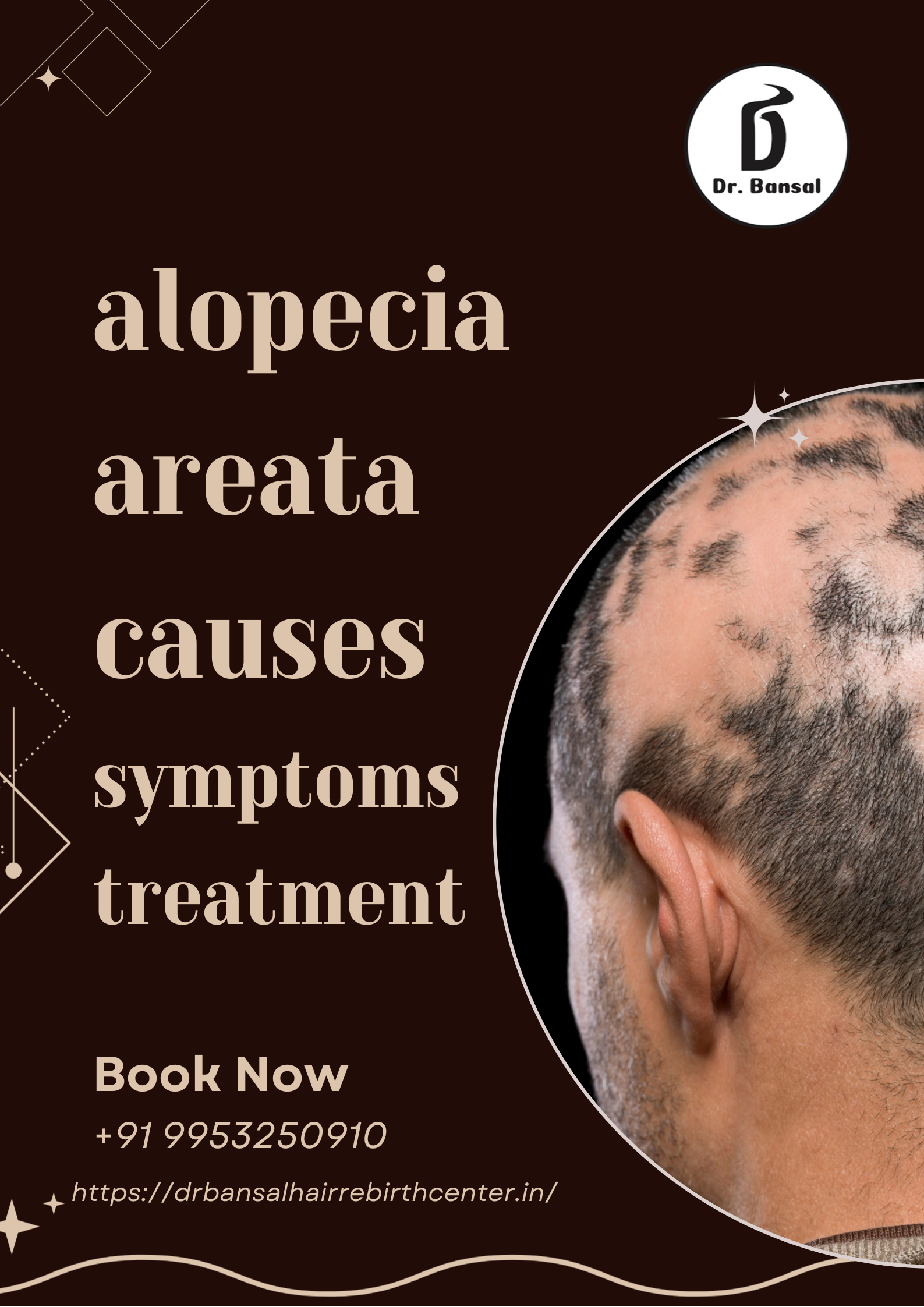
Alopecia Areata: Causes, Symptoms, Diagnosis, and Advanced Treatment at Dr. Bansal Hair Rebirth Center
Hair is often considered a symbol of beauty, youth, and confidence. When hair begins to fall unexpectedly, it can lead to emotional distress and loss of self-esteem. One of the most surprising and unpredictable hair loss conditions is Alopecia Areata, an autoimmune disorder that causes patchy hair loss on the scalp and other parts of the body.
Thank you for reading this post, don't forget to subscribe!Millions of people worldwide experience this condition, yet many remain confused about its causes, symptoms, and treatment options. Fortunately, specialized hair restoration clinics such as Dr. Bansal Hair Rebirth Center offer advanced solutions to help patients restore their hair and confidence.
This comprehensive guide explains everything you need to know about alopecia areata — from its causes and symptoms to modern treatments and expert care.
Understanding Alopecia Areata
What is Alopecia Areata?
Alopecia Areata is an autoimmune disorder in which the body’s immune system mistakenly attacks healthy hair follicles. This attack causes hair to fall out suddenly, typically forming small round patches on the scalp.
Hair follicles are the tiny structures in the skin responsible for producing hair strands. When the immune system targets these follicles, it disrupts the hair growth cycle, causing hair to stop growing and eventually fall out.
Unlike other forms of hair loss, alopecia areata does not usually destroy the hair follicles completely. This means that hair regrowth is possible with proper treatment and care.
Types of Alopecia Areata
Alopecia areata can appear in different forms depending on the severity of hair loss.
1. Patchy Alopecia Areata
This is the most common form of the condition. It causes small round patches of hair loss on the scalp.
2. Alopecia Totalis
In this form, individuals lose all hair on the scalp.
3. Alopecia Universalis
This is the most severe form, where hair loss occurs across the entire body, including eyebrows, eyelashes, beard, and body hair.
4. Diffuse Alopecia Areata
Instead of patches, hair thinning occurs evenly across the scalp.
At Dr. Bansal Hair Rebirth Center, specialists carefully diagnose the exact type of alopecia before recommending treatment.
Causes of Alopecia Areata
The exact cause of Alopecia Areata is not completely understood, but research shows that several factors contribute to the condition.
1. Autoimmune Reaction
The primary cause of alopecia areata is an autoimmune reaction.
Normally, the immune system protects the body from harmful bacteria and viruses. However, in alopecia areata, immune cells mistakenly attack hair follicles, stopping hair growth.
This immune response pushes hair follicles into the telogen (resting) phase, leading to hair shedding.
2. Genetic Factors
Genetics also plays a role in alopecia areata.
Studies show that about 20% of people with alopecia have a family history of the condition.
Certain genes related to immune system regulation may increase the risk of developing alopecia.
3. Stress and Emotional Trauma
Severe stress can trigger or worsen alopecia areata.
Emotional events such as:
-
Sudden shock
-
Anxiety
-
Trauma
-
Major life changes
may disrupt immune system balance and trigger hair loss.
4. Hormonal Imbalance
Hormonal changes can also influence hair growth.
Conditions such as:
-
Thyroid disorders
-
Polycystic Ovary Syndrome (PCOS)
-
Pregnancy hormonal shifts
may contribute to the onset of alopecia areata.
5. Nutritional Deficiencies
Hair follicles require essential nutrients to function properly.
Deficiencies in nutrients such as:
-
Iron
-
Vitamin D
-
Zinc
-
Biotin
-
Protein
can weaken hair follicles and worsen hair loss.
6. Environmental Factors
Exposure to environmental triggers may also activate the immune system.
These may include:
-
Viral infections
-
Pollution
-
Chemical exposure
-
Certain medications
Symptoms of Alopecia Areata
The symptoms of Alopecia Areata can vary from person to person.
Some individuals experience only small patches of hair loss, while others may develop widespread hair loss.
1. Round or Oval Bald Patches
The most common sign of alopecia areata is the appearance of smooth, round bald patches on the scalp.
These patches usually develop suddenly and may grow over time.
2. Sudden Hair Loss
Hair may fall out rapidly over a few days or weeks.
Some people notice clumps of hair falling while combing or washing their hair.
3. Exclamation Mark Hair
A unique symptom of alopecia areata is exclamation mark hair.
These hairs are narrower at the base and thicker at the top, resembling an exclamation mark.
4. Nail Changes
Some patients develop nail abnormalities such as:
-
Small dents in nails
-
Rough nail surface
-
White spots on nails
5. Hair Regrowth Followed by Hair Loss
Hair may regrow naturally in some areas but fall out again later.
This unpredictable cycle is common in alopecia areata.
Who Is at Risk of Alopecia Areata?
Although anyone can develop Alopecia Areata, certain groups have a higher risk.
People with autoimmune diseases
Individuals with conditions such as:
-
thyroid disorders
-
vitiligo
-
lupus
are more likely to develop alopecia.
People with family history
Genetics can increase susceptibility.
Young individuals
Many cases occur before the age of 30.
People under high stress
Mental stress can trigger autoimmune responses.
Psychological Impact of Alopecia Areata
Hair loss can significantly affect emotional well-being.
Many patients experience:
-
Anxiety
-
Depression
-
Low self-confidence
-
Social withdrawal
Children and young adults may struggle with self-image and bullying.
At Dr. Bansal Hair Rebirth Center, doctors focus not only on physical treatment but also on restoring patient confidence.
Diagnosis of Alopecia Areata
Accurate diagnosis is essential for effective treatment.
Hair specialists use several methods to confirm alopecia areata.
Scalp Examination
Doctors examine the scalp for typical bald patches and hair patterns.
Hair Pull Test
A gentle pull test may be performed to check the strength of hair strands.
Dermoscopy
A special magnifying device helps doctors observe hair follicles and scalp structure.
Blood Tests
Blood tests may be conducted to detect:
-
thyroid problems
-
nutritional deficiencies
-
autoimmune disorders
Modern Treatments for Alopecia Areata
The good news is that alopecia areata is treatable.
Advanced therapies available at Dr. Bansal Hair Rebirth Center help stimulate hair regrowth and control immune activity.
1. Ayurvedic Hair Regrowth Therapy
Ayurveda focuses on balancing the body and strengthening hair follicles naturally.
Herbal treatments may include:
-
scalp detox therapies
-
herbal oils
-
herbal medicines
-
dietary corrections
2. Immunotherapy
This treatment works by altering the immune response responsible for attacking hair follicles.
3. PRP (Platelet Rich Plasma)
PRP therapy involves injecting growth factors from the patient’s blood into the scalp.
These growth factors stimulate dormant hair follicles and promote regrowth.
4. Nutritional Therapy
Doctors may recommend supplements such as:
-
Biotin
-
Vitamin D
-
Iron
-
Zinc
These nutrients support healthy hair growth.
5. Stress Management
Since stress can trigger alopecia, relaxation therapies like:
-
yoga
-
meditation
-
breathing exercises
may be recommended.
Why Choose Dr. Bansal Hair Rebirth Center?
Choosing the right clinic is crucial for successful treatment.
Patients from across India trust Dr. Bansal Hair Rebirth Center for advanced hair restoration therapies.
Specialized Alopecia Treatments
The clinic focuses specifically on conditions such as:
-
alopecia areata
-
alopecia totalis
-
alopecia universalis
-
severe hair fall
Personalized Treatment Plans
Each patient receives a customized treatment plan based on their condition.
Natural and Advanced Therapies
The clinic combines:
-
Ayurvedic medicine
-
modern hair science
-
nutritional therapy
for the best results.
Experienced Hair Specialists
The team at Dr. Bansal Hair Rebirth Center has years of experience treating complex hair loss conditions.
Lifestyle Tips for Managing Alopecia Areata
While medical treatment is important, lifestyle habits also affect hair health.
Here are some helpful tips:
Eat a balanced diet
Include foods rich in protein, vitamins, and minerals.
Reduce stress
Practice meditation and relaxation techniques.
Avoid harsh chemicals
Limit the use of chemical hair products.
Maintain scalp hygiene
Keep the scalp clean and healthy.
Conclusion
Alopecia Areata is a complex autoimmune condition that can cause sudden hair loss and emotional distress. However, with proper diagnosis and expert treatment, hair regrowth is possible.
Specialized clinics like Dr. Bansal Hair Rebirth Center offer advanced therapies designed to address the root causes of alopecia and restore healthy hair growth.
If you or someone you know is struggling with alopecia, early treatment can make a significant difference. Consulting experienced hair specialists can help you regain not only your hair but also your confidence.
Alopecia Areata: Causes, Symptoms, Diagnosis & Advanced Treatment at Dr. Bansal Hair Rebirth Center
Hair is an important part of personality, confidence, and identity. When hair suddenly starts falling in patches, it can create emotional stress and confusion. One of the most common causes of sudden patchy hair loss is Alopecia Areata.
Alopecia Areata is an autoimmune condition that affects millions of people worldwide. It can affect both men and women and may even occur in children and teenagers. The condition causes hair to fall out in small patches on the scalp or other parts of the body.
Fortunately, modern dermatology and advanced hair restoration therapies have made it possible to control and treat this condition effectively.
At Dr. Bansal Hair Rebirth Center, specialized treatments are offered to help patients regain healthy hair growth and confidence.
This comprehensive guide explains everything you need to know about Alopecia Areata – causes, symptoms, diagnosis, and the most effective treatment options available today.
What is Alopecia Areata?
Alopecia Areata is an autoimmune disorder in which the body’s immune system mistakenly attacks healthy hair follicles. Hair follicles are the tiny structures in the skin responsible for hair growth.
When the immune system targets these follicles, it disrupts the normal hair growth cycle, causing hair to fall out suddenly.
The most common sign of Alopecia Areata is round or oval bald patches on the scalp, but in some cases, it may affect:
-
Beard area
-
Eyebrows
-
Eyelashes
-
Body hair
-
Arms and legs
Hair loss may occur suddenly within a few days or weeks.
In many cases, hair may regrow on its own, but in others, the condition may progress or recur.
Types of Alopecia Areata
Understanding the type of alopecia helps determine the right treatment plan.
1. Patchy Alopecia Areata
This is the most common form.
Characteristics:
-
Round bald patches
-
Occurs mainly on scalp
-
Hair loss in small localized areas
2. Alopecia Totalis
In this type, a person loses all hair on the scalp.
Symptoms include:
-
Complete scalp baldness
-
Rapid progression from patchy alopecia
3. Alopecia Universalis
This is the most advanced and rare form.
Features include:
-
Complete loss of hair on the body
-
No eyebrows or eyelashes
-
Hair loss on arms and legs
4. Ophiasis Alopecia
This type affects the sides and lower back of the scalp.
Hair loss forms a band-like pattern around the head.
How Common is Alopecia Areata?
Alopecia Areata affects about 2% of the global population at some point in their lives.
It can occur:
-
In children
-
In teenagers
-
In adults
-
In both men and women
The condition often starts before the age of 30 but can occur at any age.
Causes of Alopecia Areata
The exact cause of Alopecia Areata is not fully understood, but several factors are known to trigger the condition.
1. Autoimmune Reaction
The primary cause is an autoimmune response.
In this condition:
-
The immune system attacks hair follicles
-
Hair growth stops temporarily
-
Hair falls out in patches
2. Genetic Factors
Research shows that Alopecia Areata can run in families.
If a close family member has:
-
Alopecia Areata
-
Autoimmune diseases
Your risk may increase.
3. Stress
Severe emotional or physical stress may trigger Alopecia Areata.
Common triggers include:
-
Trauma
-
Surgery
-
Emotional shock
-
Major life changes
However, stress alone does not cause the disease but may act as a trigger.
4. Hormonal Changes
Hormonal imbalance may also contribute to hair loss.
This is especially common during:
-
Puberty
-
Pregnancy
-
Thyroid disorders
5. Nutritional Deficiency
Deficiencies in essential nutrients may weaken hair follicles.
Important nutrients include:
-
Iron
-
Zinc
-
Vitamin D
-
Vitamin B12
-
Biotin
6. Other Autoimmune Diseases
People with certain conditions may have higher risk:
-
Thyroid disorders
-
Vitiligo
-
Rheumatoid arthritis
-
Type 1 diabetes
Symptoms of Alopecia Areata
The symptoms can vary depending on the severity of the condition.
Common symptoms include:
1. Round Bald Patches
Small coin-shaped patches on the scalp.
2. Sudden Hair Loss
Hair may fall out quickly within a few days.
3. Nail Changes
Some patients may experience:
-
Nail pitting
-
Rough nails
-
Brittle nails
4. Hair Regrowth in White Color
Sometimes hair regrows as white or grey hair initially.
5. Exclamation Mark Hair
These hairs are shorter near the scalp and wider at the tip.
They are a classic sign of Alopecia Areata.
Early Signs of Alopecia Areata
Recognizing early symptoms can help start treatment quickly.
Early warning signs include:
-
Excess hair on pillow
-
Hair clumps while combing
-
Small thinning patches
-
Itchy scalp
-
Tingling sensation before hair fall
How Alopecia Areata is Diagnosed
A proper diagnosis is essential to start the right treatment.
At Dr. Bansal Hair Rebirth Center, diagnosis involves several steps.
1. Clinical Examination
Hair specialists examine:
-
Scalp condition
-
Pattern of hair loss
-
Patch size and number
2. Dermatoscopy
A dermatoscope helps examine hair follicles under magnification.
This helps identify:
-
Exclamation hairs
-
Broken hairs
-
Follicle damage
3. Blood Tests
Tests may be done to check:
-
Thyroid levels
-
Vitamin deficiency
-
Autoimmune markers
4. Hair Pull Test
Doctors gently pull hair to check the severity of hair loss.
Treatment Options for Alopecia Areata
The good news is that Alopecia Areata can often be treated effectively with the right therapies.
Treatment depends on:
-
Age
-
Severity
-
Type of alopecia
-
Duration of hair loss
Advanced Alopecia Treatment at Dr. Bansal Hair Rebirth Center
The specialists at Dr. Bansal Hair Rebirth Center offer advanced therapies designed to stimulate hair regrowth and control autoimmune activity.
1. Immunotherapy Treatment
This therapy works by modifying the immune response responsible for hair loss.
Benefits include:
-
Stimulates hair follicles
-
Reduces immune attack
-
Promotes regrowth
2. Growth Factor Therapy
Growth factors help stimulate dormant hair follicles.
Advantages:
-
Improves hair density
-
Strengthens follicles
-
Enhances scalp health
3. Ayurvedic Hair Therapy
Natural herbal treatments help support hair regrowth.
These therapies help:
-
Improve scalp circulation
-
Balance hormones
-
Reduce inflammation
4. Nutritional Therapy
Hair health depends heavily on nutrition.
Patients may receive customized supplements containing:
-
Biotin
-
Zinc
-
Iron
-
Vitamin D
-
Amino acids
5. Scalp Regeneration Therapy
This therapy focuses on restoring scalp health.
Benefits include:
-
Reactivates hair follicles
-
Improves blood circulation
-
Promotes faster regrowth
How Long Does Alopecia Treatment Take?
Treatment duration varies for each patient.
Typical timeline:
1–3 months
Initial hair regrowth
3–6 months
Hair thickness improves
6–12 months
Full recovery possible in many cases
Early treatment greatly improves results.
Can Alopecia Areata Be Cured Permanently?
There is currently no guaranteed permanent cure, but the condition can be effectively controlled.
Many patients experience:
-
Complete hair regrowth
-
Long periods without relapse
-
Healthy scalp recovery
With the right treatment plan, recurrence can also be minimized.
Lifestyle Tips to Manage Alopecia
Lifestyle changes can support treatment results.
Manage Stress
Practice relaxation techniques like:
-
Meditation
-
Yoga
-
Deep breathing
Eat a Balanced Diet
Include foods rich in:
-
Protein
-
Iron
-
Omega-3 fatty acids
-
Vitamins
Avoid Harsh Hair Treatments
Avoid:
-
Excess heat styling
-
Chemical treatments
-
Tight hairstyles
Maintain Scalp Hygiene
Use mild shampoos and keep the scalp clean.
When to See a Hair Specialist
Consult a hair specialist if you notice:
-
Sudden patchy hair loss
-
Rapid hair thinning
-
Bald spots
-
Eyebrow or beard hair loss
Early medical intervention increases the chances of full recovery.
Why Choose Dr. Bansal Hair Rebirth Center?
Patients trust Dr. Bansal Hair Rebirth Center for advanced alopecia treatment because of:
-
Specialized alopecia expertise
-
Personalized treatment plans
-
Advanced hair restoration technologies
-
Natural and medical therapy integration
-
Proven results in severe alopecia cases
The clinic focuses not only on hair regrowth but also on restoring patient confidence and emotional well-being.
Conclusion
Alopecia Areata can be a challenging condition, but with the right diagnosis and treatment, many patients achieve excellent results.
Understanding the causes, symptoms, and available treatments is the first step toward recovery.
If you or someone you know is experiencing sudden patchy hair loss, consulting an experienced hair specialist can make a significant difference.
With advanced therapies and personalized care at Dr. Bansal Hair Rebirth Center, patients can take the first step toward restoring healthy hair growth and confidence.